Success stories of our customers
Find out how wastewater treatment plants reduce emissions and optimize processes with Variolytics.
Customer testimonials
What our customers say:
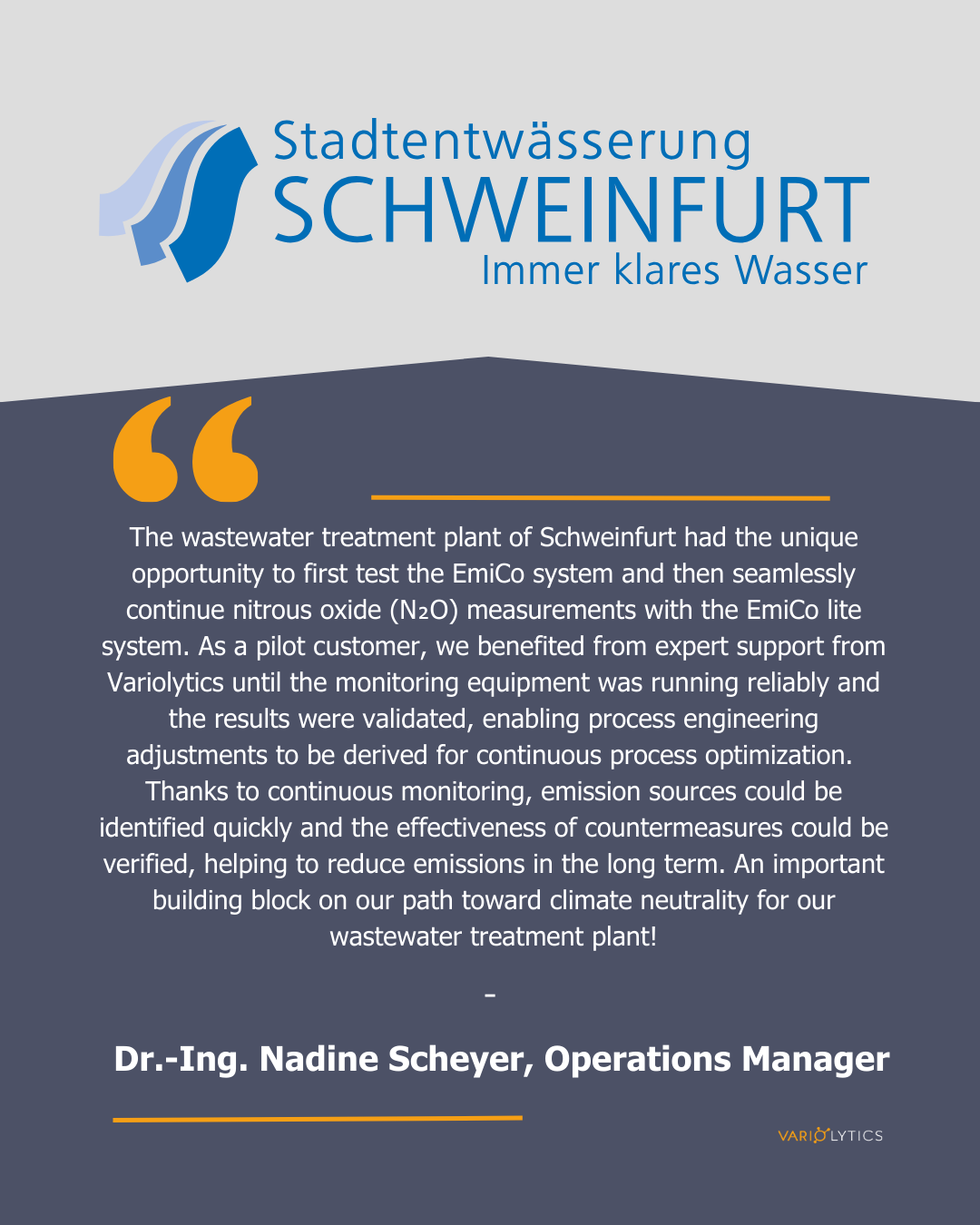

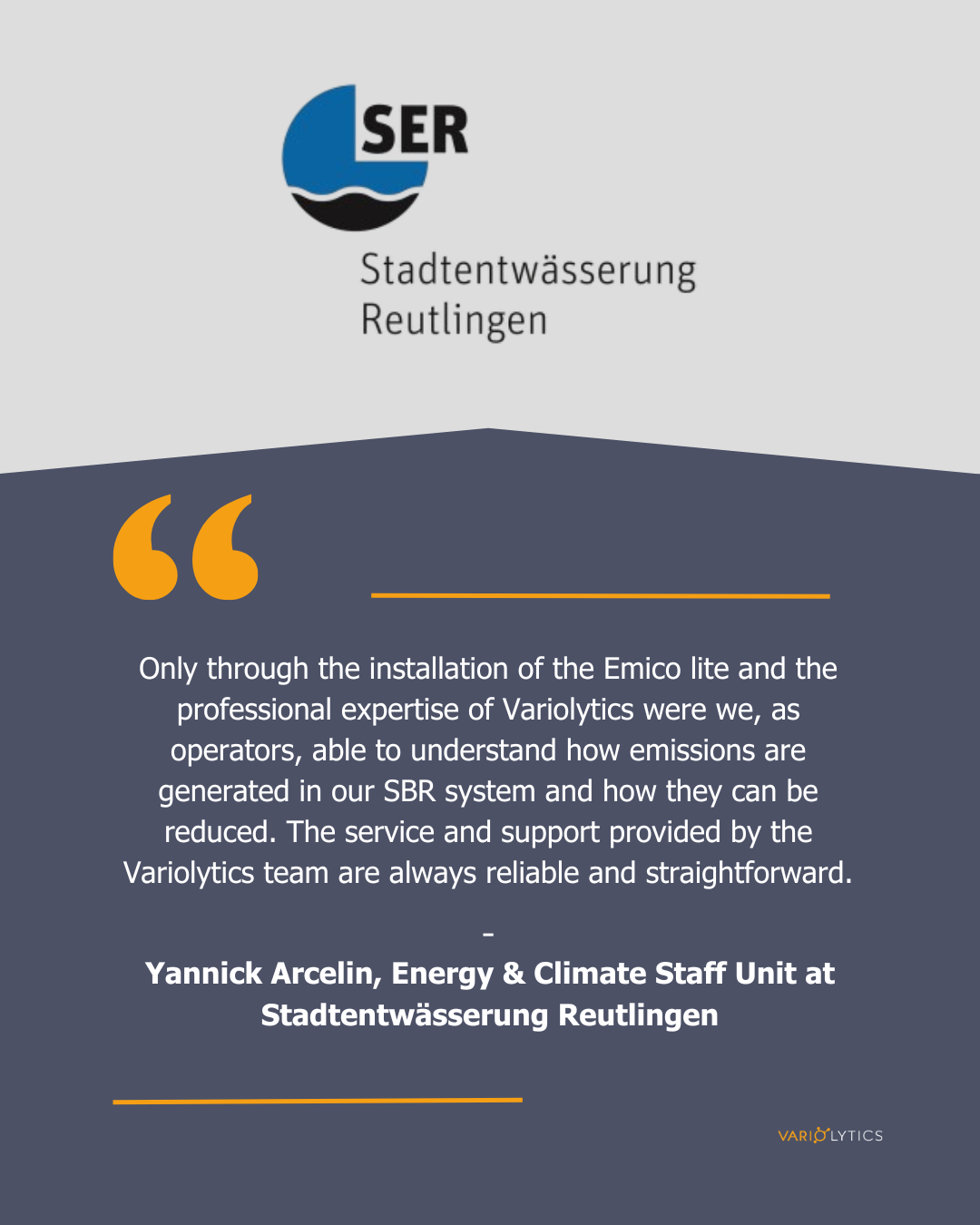
Real-world success stories
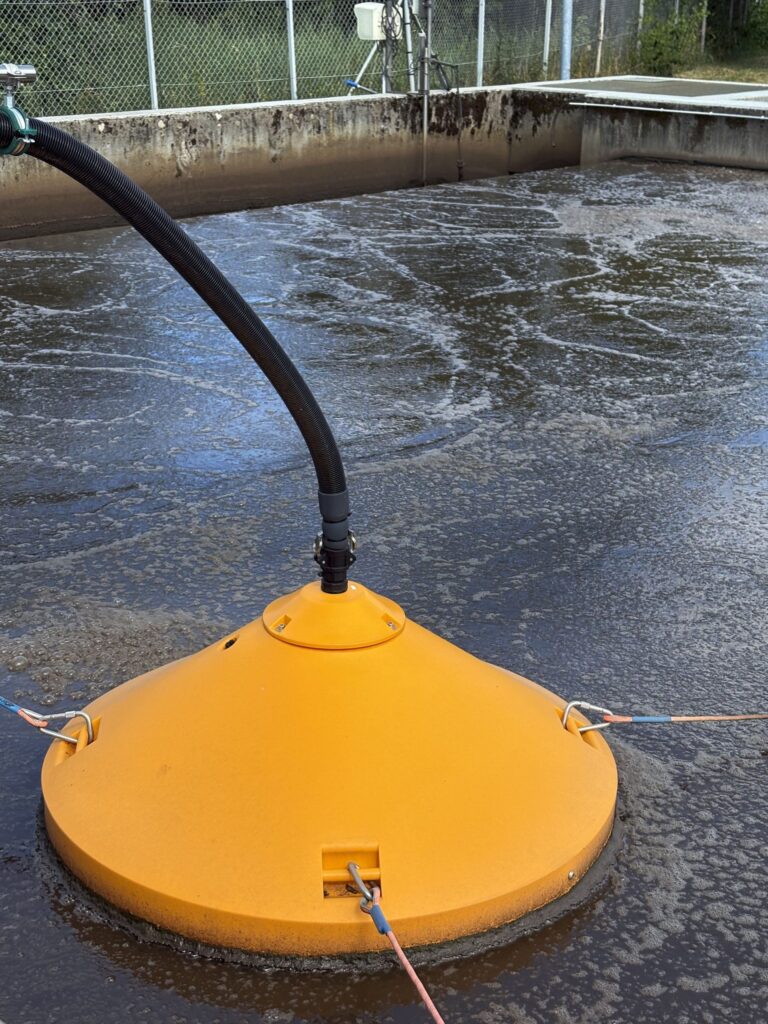
Why Unstable Nitrification Can Drive Nitrous Oxide Emissions
This case study demonstrates how nitrite accumulation can be linked to increased nitrous oxide emissions and may indicate unstable process conditions. Through continuous measurements and correlation with operational data, potential causes can be identified and specific strategies for stabilizing nitrification can be developed.
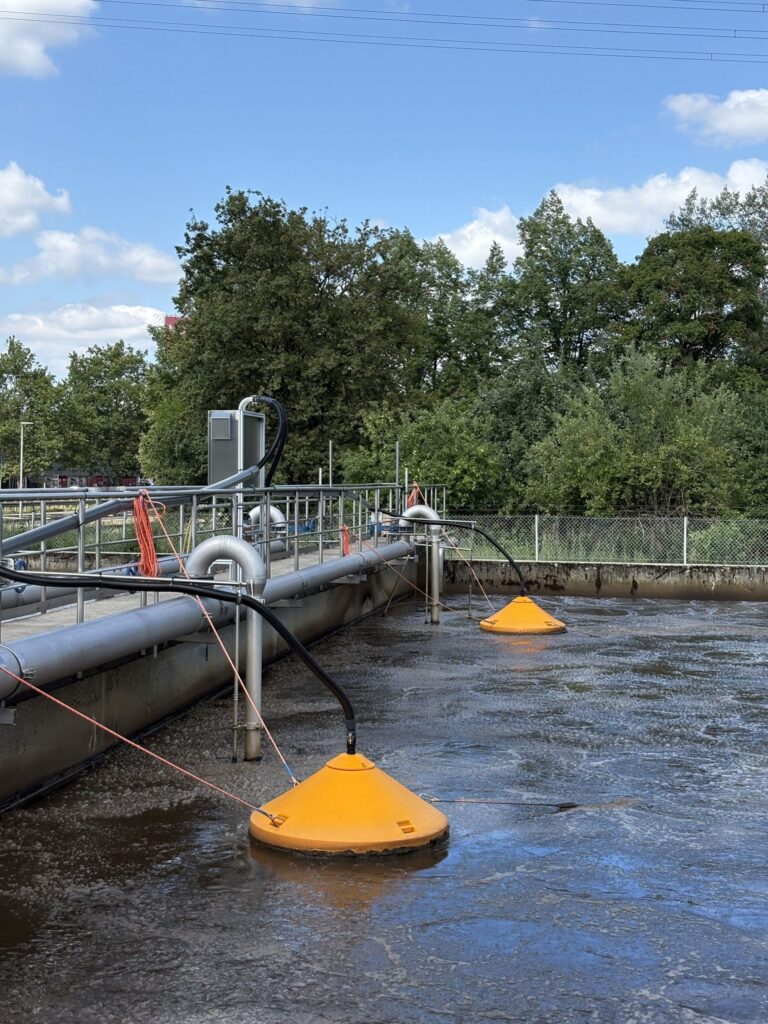
Why Incomplete Denitrification Can Cause High Nitrous Oxide Emissions
This case study demonstrates how incomplete denitrification can lead to increased nitrous oxide emissions. Continuous measurements made it possible to identify the emission patterns and derive targeted adjustments to the process control system, resulting in an estimated reduction in N₂O emissions of approximately 75%.
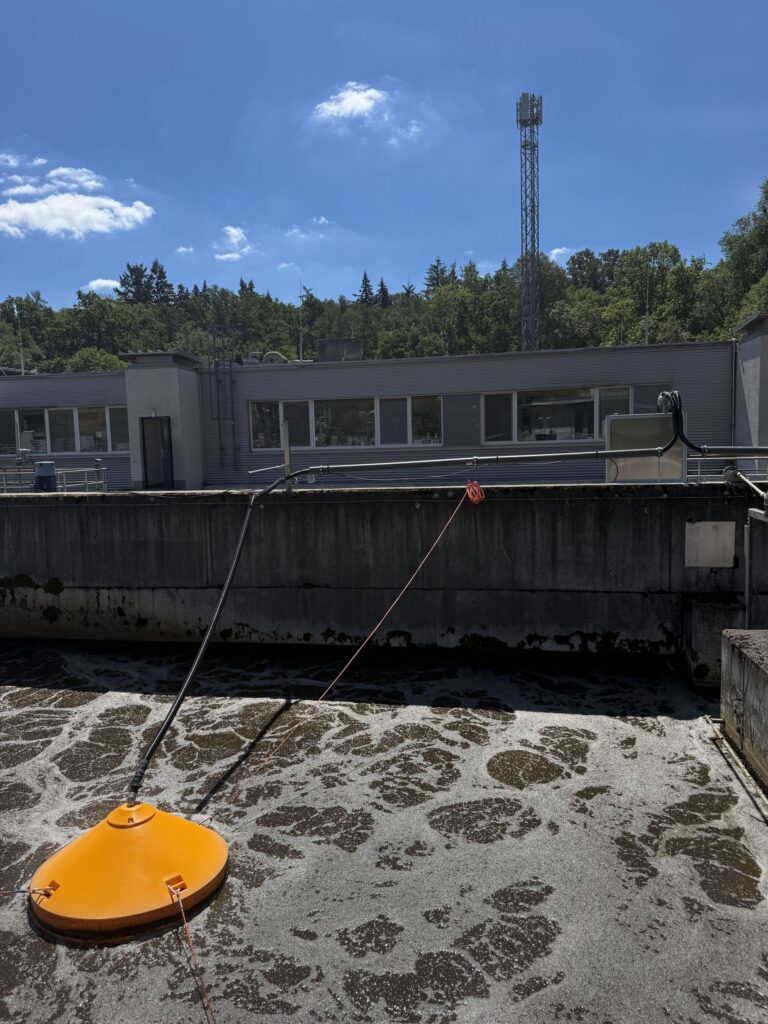
Why Exhaust Gas Data Reveals New Opportunities for Ventilation Optimization
This case study demonstrates how continuous off-gas measurements can reveal excess aeration that cannot be detected using conventional DO sensors alone. By analyzing CO₂ and O₂ together, it was possible to identify a potential reduction of up to 7% in blower energy consumption without compromising treatment performance.
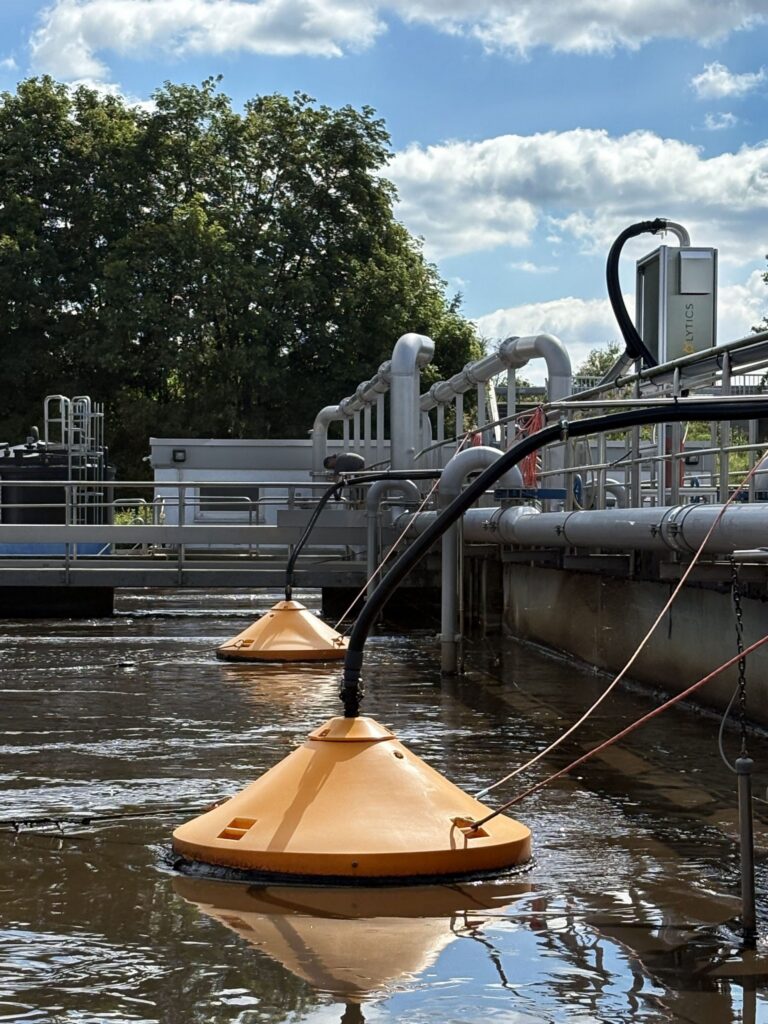
Why Low N₂O Emissions Are Not Yet the End of Optimization
This case study demonstrates how continuous off-gas measurements can reveal further potential even when N₂O emissions are low. The analysis identified excess aeration and showed the potential to reduce aeration energy by up to 16% without compromising process stability.
FAQ – Frequently Asked Questions About Success Stories
Our case studies reveal several recurring causes. In Bammental, nitrite accumulation due to unstable nitrification was accompanied by elevated nitrous oxide levels. In Frederikshavn, incomplete denitrification drove the emissions. In Reutlingen, the type of process water added determined the level and dynamics of nitrous oxide emissions. In each case, it was only through continuous measurement in conjunction with operational data that the cause became apparent.
Yes, that’s what our case study from Frederikshavn shows. Continuous monitoring revealed the emission patterns associated with incomplete denitrification, prompting targeted adjustments to the process control. The result: an estimated reduction in nitrous oxide emissions of about 75%. Every plant is different—so the first step is always to measure and understand your own patterns.
Yes. In Schwäbisch Hall, the combined analysis of CO₂ and O₂ revealed over-ventilation that could not be detected using DO probes alone—with the potential to reduce blower energy consumption by up to 7% without compromising cleaning performance. In Winnenden, the analysis revealed a potential for up to 16% less aeration energy while maintaining stable process control. Both represent estimated potentials, not guaranteed savings.
Often, yes. Our case study from Schweinfurt shows that even at very well-managed facilities, emission-relevant process conditions can occur that go undetected without measurement data. In Winnenden, nitrous oxide levels were low, yet analysis of the exhaust air data revealed over-ventilation. Low emissions are a good result—continuous data reveals whether there is still room for improvement in terms of energy efficiency or process stability.
Request them by clicking the “Request Case Study” button or using our contact form—we’ll send you the full document. On the Success Stories page, you’ll find summaries of the case studies from Bietigheim, Reutlingen, Schweinfurt, Trier, Bammental, Frederikshavn, Schwäbisch Hall, and Winnenden, each addressing a specific topic: from nitrification and denitrification to measurement locations and aeration.

Contact us
Our solutions in action: Find out how wastewater treatment plants reduce emissions, optimize processes and achieve sustainability goals with Variolytics.